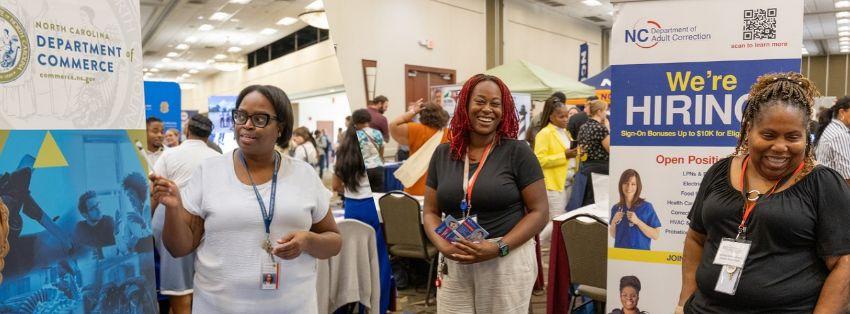
On July 6, 2026, Governor Josh Stein signed Senate Bill 1041 into law, creating S.L. 2026-40 and enacting the largest overhaul of North Carolina's state human resources system in over 60 years. The law replaces Chapter 126 with a new Chapter 126A built for a modern workforce: faster to hire, easier to navigate, and more accountable.
S.L. 2026-40 passed the General Assembly with unanimous, bipartisan support and takes effect October 1, 2026.
Chapter 126A sets a new standard for how North Carolina approaches HR: one built to prepare the state's public workforce for the future. This approach expands the flexibility, tools, and support given to state agencies while maintaining a merit-based hiring system and protecting employee rights. When the full workforce transformation is implemented, the system will work for everyone, with easier pathways for applicants, more resources (and accountability) for getting work done, and easier systems and policies to navigate.
What Workforce Reform Efforts Do For ...
Job Seekers
- Create new, flexible entry pathways into state government, including apprenticeships, fellowships, and temporary or time-limited roles that can convert to permanent positions more quickly.
- Extend veterans' hiring preference to spouses of active-duty service members.
- Streamline the job application process, including JoinNC recruitment assistance to both permanent and non-permanent positions.
State Employees
- Expand paid parental leave to up to twelve weeks for both parents after the birth of a child or another qualifying event, and codify bereavement leave statewide.
- Authorize performance-based incentives, so high performers can receive increases in their compensation or leave.
- Codify career employee promotional priority as the highest priority in hiring.
- Put real intention behind the probationary period — with the option to extend once by six months — before a new employee becomes permanent.
Managers and Agencies
- Give agencies direct authority over agency-specific classification decisions, without needing OSHR approval.
- Cut the temporary-to-permanent hiring window from six months to three months.
- Expand the 10% compensation flexibility previously limited to policymaking and exempt managerial positions within Council of State agencies to all agencies and increase the flexibility to 30%.
- Formally authorize JoinNC, previously known as Temporary Solutions, to assist with recruiting for both permanent and non-permanent positions.
- Direct OSHR to review the classification and compensation system to identify opportunities for improvement.
- Support workforce fluidity and career growth by allowing lateral transfers within an agency.
- Modernize the grievance process (120 days to resolve, ability to merge related grievances, and gatekeeping authority to prevent abuse of the system) and clarify the factors agencies weigh in discipline decisions.
Easier. Faster. Better.
How North Carolina is building a national model for public workforce management.
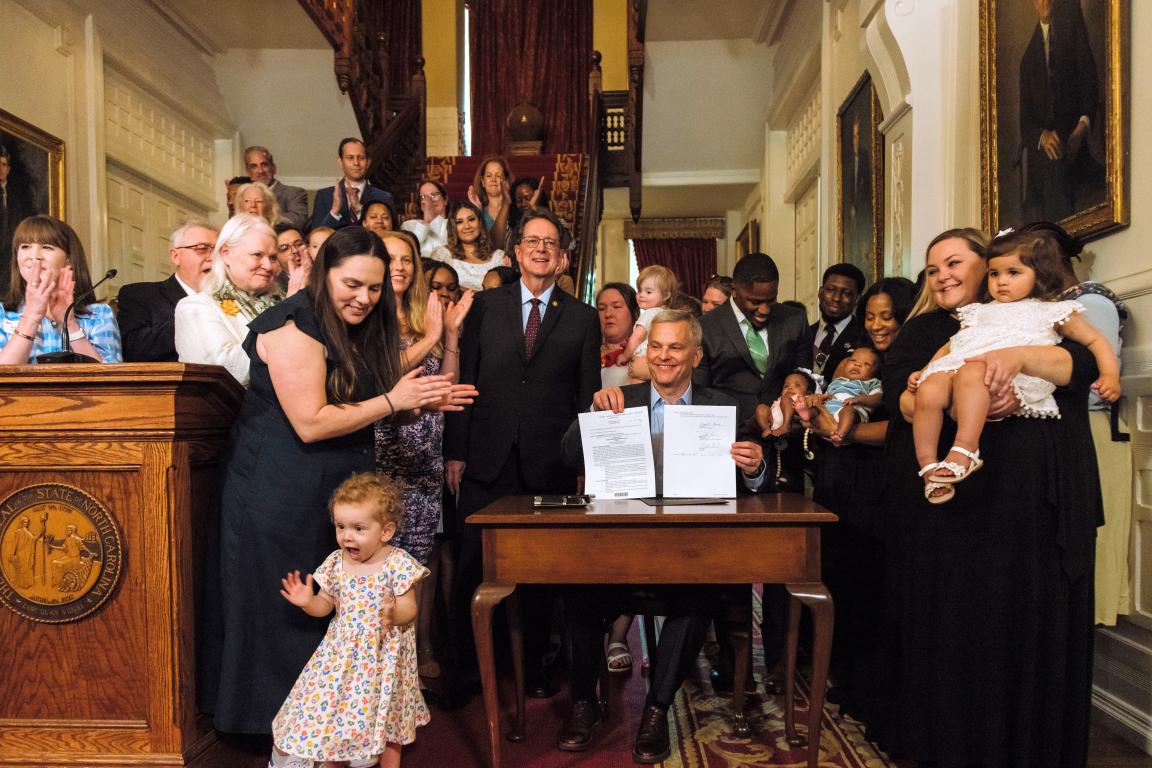
N.C. Governor Stein signs S1041 as OSHR Director Staci Meyer and legislative sponsors look on.
State Human Resources Director Staci Meyer, who has spent her career in North Carolina state Government, put it plainly: "If we invest in our most valuable asset, our people, then we'll have a stronger, safer, and healthier North Carolina for everyone. Senate Bill 1041 is a critical step in advancing that goal, because a strong public workforce and a responsive human resources system are foundational to delivering high-quality services to the people of North Carolina."
Affected Policies
The changes in Chapter 126A will result in updating many policies. OSHR will propose amendments to these policies at upcoming State Human Resources Commission meetings. Chapter 126A is effective October 1, 2026. After that date, if a policy has not yet been amended, if anything in the statute contradicts that policy, agencies should follow the statute.
OSHR is revising its full policy library for compliance with the new Chapter 126A and to use plain language to make sure policies are easy to understand. We are also building feedback loops with managers and employees to understand what is confusing or not working. This effort is part of a broader investment in workforce capacity in North Carolina — the people, data, and systems needed to make sure a law like this actually changes how things work.
Where to Follow What Happens Next
Signing S1041 is day one, not the finish line. Over the next several months, OSHR will roll out new policies, train managers and HR staff, and build the systems needed to make the improvements within Chapter 126A work in everyday agency practices. The Implementation Hub (coming soon) will be where all of that gets tracked as it happens: what's already changed, what's coming next, and how OSHR is measuring success against the standard above.
To learn more about and apply for careers in N.C. public service, visit Work for NC.